
Private Yellowstone Wildlife Tour
Book a private Yellowstone wildlife tour with expert local guides. Wolves, grizzly bears, bison & more in Lamar and Hayden Valleys. Departs from Island Park & West Yellowstone.
Private Yellowstone Wildlife Tour
Book a private Yellowstone wildlife tour with expert local guides. Wolves, grizzly bears, bison & more in Lamar and Hayden Valleys. Departs from Island Park & West Yellowstone.
Private Yellowstone Wildlife Tour
Book a private Yellowstone wildlife tour with expert local guides. Wolves, grizzly bears, bison & more in Lamar and Hayden Valleys. Departs from Island Park & West Yellowstone.
Yellowstone National Park is the most wildlife-rich landscape in the lower 48 — home to 67 mammal species, the largest free-roaming bison herd in the United States, an estimated 700+ grizzly bears in the Greater Yellowstone Ecosystem, and the reintroduced gray wolf packs that made the Northern Range world-famous. A private Yellowstone wildlife tour with Island Park Expeditions puts a small group, a comfortable vehicle, a spotting scope, and an experienced local guide between you and that wilderness. No crowded buses. No fixed itinerary. Just your group, your guide, and a day built around the animals you most want to see.
Yellowstone National Park is the most wildlife-rich landscape in the lower 48 — home to 67 mammal species, the largest free-roaming bison herd in the United States, an estimated 700+ grizzly bears in the Greater Yellowstone Ecosystem, and the reintroduced gray wolf packs that made the Northern Range world-famous. A private Yellowstone wildlife tour with Island Park Expeditions puts a small group, a comfortable vehicle, a spotting scope, and an experienced local guide between you and that wilderness. No crowded buses. No fixed itinerary. Just your group, your guide, and a day built around the animals you most want to see.
Yellowstone National Park is the most wildlife-rich landscape in the lower 48 — home to 67 mammal species, the largest free-roaming bison herd in the United States, an estimated 700+ grizzly bears in the Greater Yellowstone Ecosystem, and the reintroduced gray wolf packs that made the Northern Range world-famous. A private Yellowstone wildlife tour with Island Park Expeditions puts a small group, a comfortable vehicle, a spotting scope, and an experienced local guide between you and that wilderness. No crowded buses. No fixed itinerary. Just your group, your guide, and a day built around the animals you most want to see.

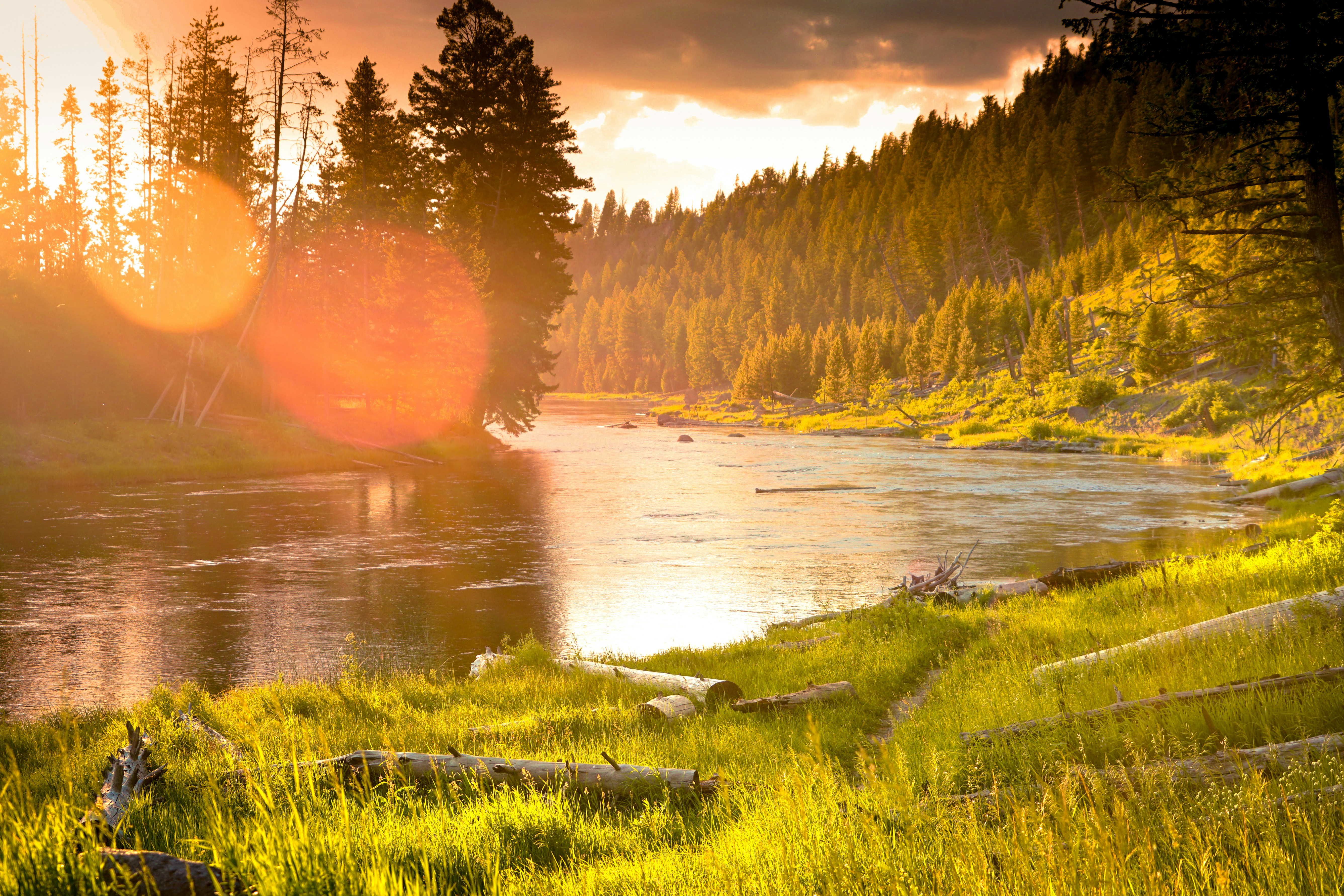
We've been guiding guests through Yellowstone for years from our home base in Island Park, Idaho — just twenty minutes from the park's West Entrance and a short drive from West Yellowstone, Montana. If you want the best chance to see Yellowstone's wolves, grizzly and black bears, bison herds, bull elk, moose, pronghorn, and bighorn sheep in a single day, this is the tour built for it.
We've been guiding guests through Yellowstone for years from our home base in Island Park, Idaho — just twenty minutes from the park's West Entrance and a short drive from West Yellowstone, Montana. If you want the best chance to see Yellowstone's wolves, grizzly and black bears, bison herds, bull elk, moose, pronghorn, and bighorn sheep in a single day, this is the tour built for it.
We've been guiding guests through Yellowstone for years from our home base in Island Park, Idaho — just twenty minutes from the park's West Entrance and a short drive from West Yellowstone, Montana. If you want the best chance to see Yellowstone's wolves, grizzly and black bears, bison herds, bull elk, moose, pronghorn, and bighorn sheep in a single day, this is the tour built for it.

What's included?
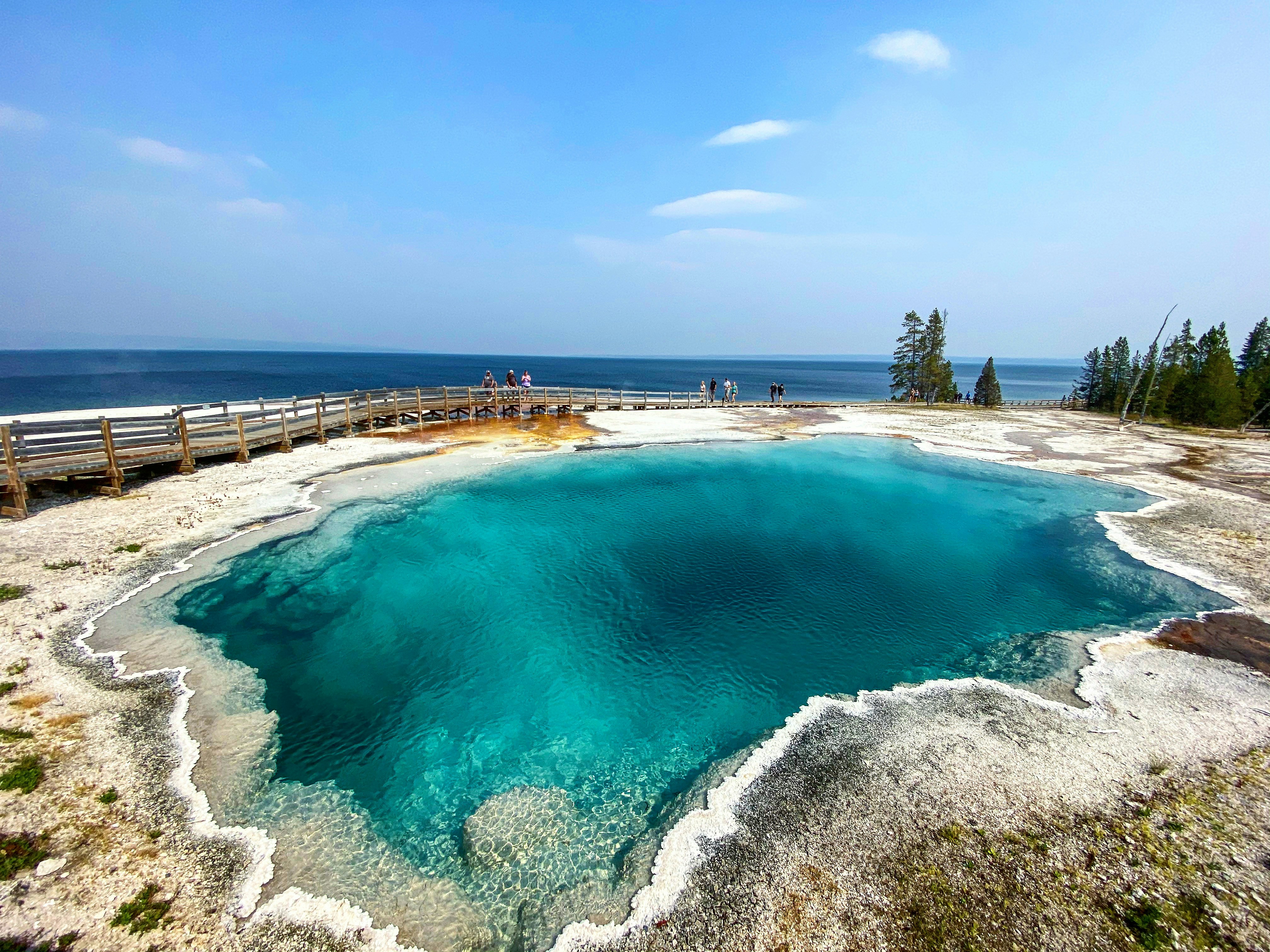
Every private wildlife tour with Island Park Expeditions is designed around your group, your pace, and your wildlife wish list. When you book with us, your day includes: A dedicated local naturalist guide for the full day. Round-trip transportation from your lodging in Island Park or West Yellowstone in a clean, comfortable touring vehicle. A high-powered spotting scope and binoculars so you can see wolves, bears, and birds of prey at safe and legal distances. A field-prepared lunch, snacks, and bottled water. Park entrance logistics handled for you. Phone-to-scope photo and video capture so you can leave with footage of the animals you saw. And the flexibility to chase a sighting, linger at a thermal feature, or change plans entirely if the wildlife calls for it. Tours start at $900 for the group — not per person — which is part of what makes a private experience so much better value than it sounds at first.
What's included?
Every private wildlife tour with Island Park Expeditions is designed around your group, your pace, and your wildlife wish list. When you book with us, your day includes: A dedicated local naturalist guide for the full day. Round-trip transportation from your lodging in Island Park or West Yellowstone in a clean, comfortable touring vehicle. A high-powered spotting scope and binoculars so you can see wolves, bears, and birds of prey at safe and legal distances. A field-prepared lunch, snacks, and bottled water. Park entrance logistics handled for you. Phone-to-scope photo and video capture so you can leave with footage of the animals you saw. And the flexibility to chase a sighting, linger at a thermal feature, or change plans entirely if the wildlife calls for it. Tours start at $900 for the group — not per person — which is part of what makes a private experience so much better value than it sounds at first.
What's included?
Every private wildlife tour with Island Park Expeditions is designed around your group, your pace, and your wildlife wish list. When you book with us, your day includes: A dedicated local naturalist guide for the full day. Round-trip transportation from your lodging in Island Park or West Yellowstone in a clean, comfortable touring vehicle. A high-powered spotting scope and binoculars so you can see wolves, bears, and birds of prey at safe and legal distances. A field-prepared lunch, snacks, and bottled water. Park entrance logistics handled for you. Phone-to-scope photo and video capture so you can leave with footage of the animals you saw. And the flexibility to chase a sighting, linger at a thermal feature, or change plans entirely if the wildlife calls for it. Tours start at $900 for the group — not per person — which is part of what makes a private experience so much better value than it sounds at first.

The Wildlife You'll See on a Yellowstone Wildlife Tour
Yellowstone is one of the only places on Earth where you can see this many large mammals coexisting in their native ecosystem. Here's what we look for, and where.
Gray Wolves
Wolves were reintroduced to Yellowstone in 1995 after being absent for nearly 70 years, and today their packs — including the Wapiti Lake pack in Hayden Valley and the long-watched packs of the Northern Range — are the most-studied wild wolves on the planet. Wolf watching is one of the most requested experiences on a private Yellowstone wildlife tour, and it's also one of the most rewarding when conditions cooperate. Wolves are most active at dawn and dusk, which is why our sunrise wildlife tours give you the best statistical chance of a sighting. We carry spotting scopes powerful enough to watch a pack on a distant ridgeline a mile away — the way professional wildlife biologists do it.
Grizzly Bears and Black Bears
The Greater Yellowstone Ecosystem holds an estimated 700+ grizzly bears, along with a healthy population of black bears. Spring and fall are the peak windows: in spring, grizzlies emerge from their dens hungry and follow bison and elk carcasses across the Northern Range; in fall, they're foraging intensely to put on weight before winter. We know the meadows, ravines, and roadside cuts where bears reliably show up — and we know how to position your group safely, at the legally required 100-yard minimum distance, with a scope that brings them in close.
American Bison
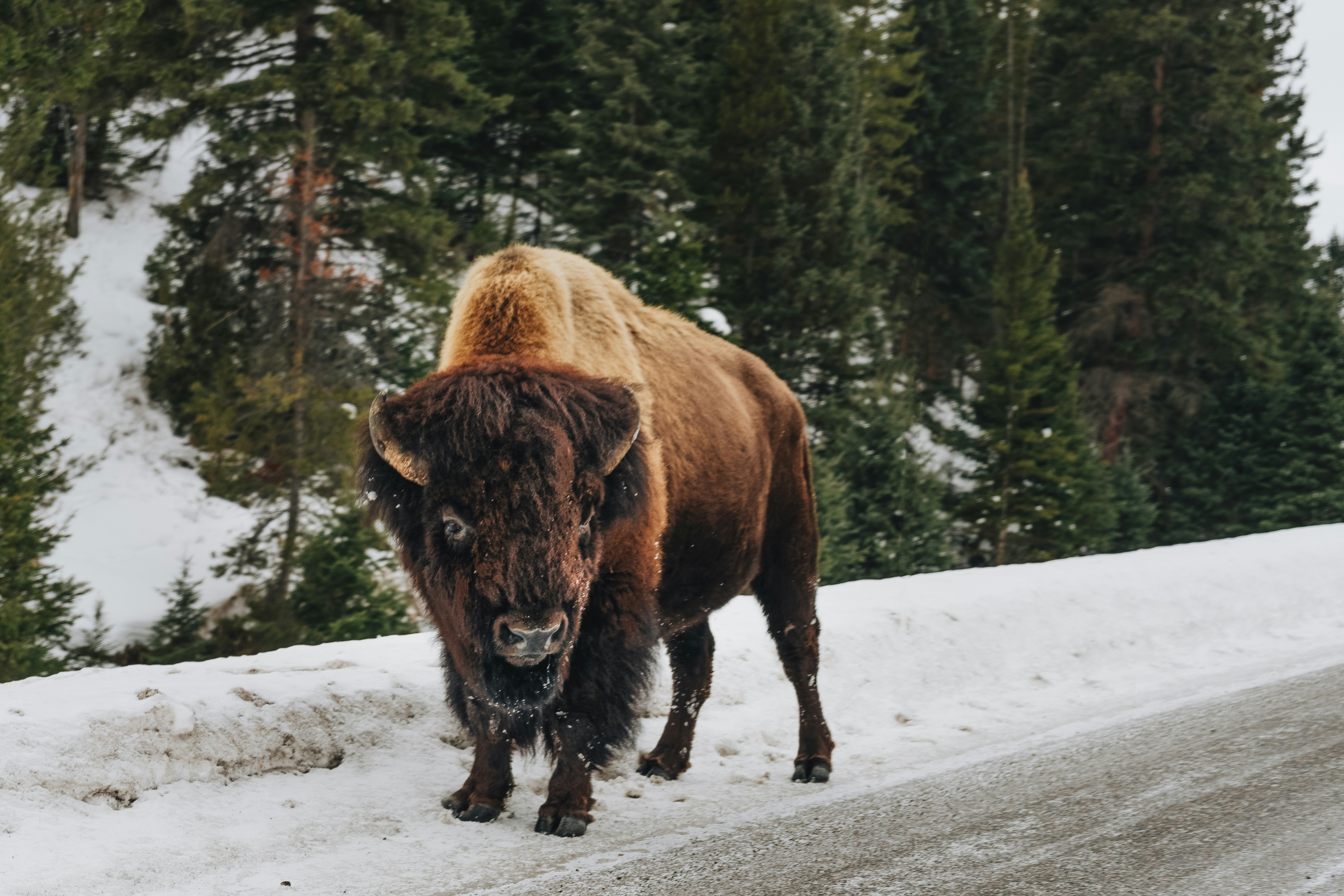
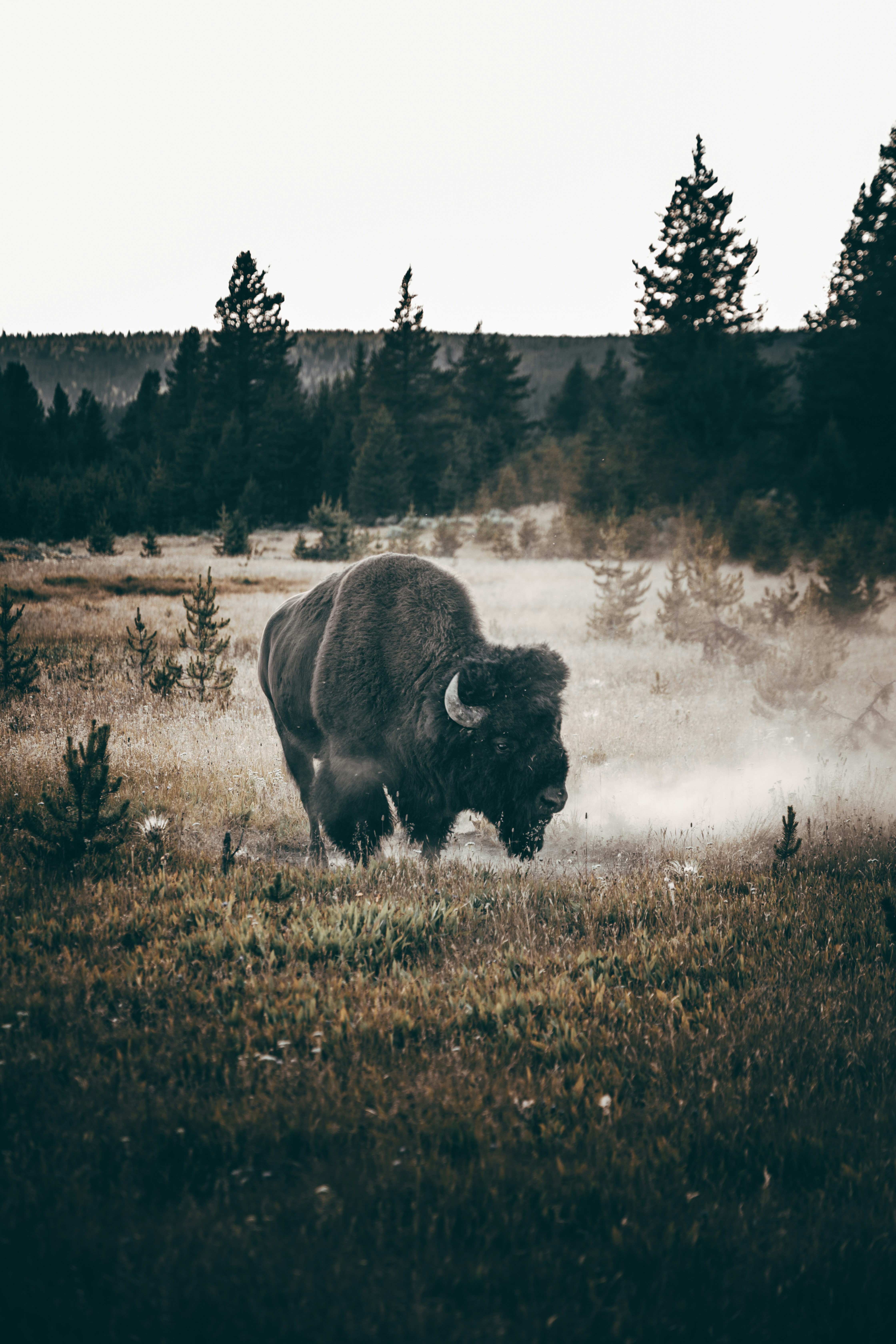
Yellowstone's bison herd is the largest on public land in the United States — roughly 5,000 animals — and they're the only continuously wild herd since prehistoric times. You will see bison on this tour. The questions are how many, how close, and during which behaviors: spring brings the iconic orange “red dog” calves; July and August bring the rut, when 2,000-pound bulls battle for breeding rights in Hayden and Lamar Valleys; winter brings steaming herds plowing through snow with their massive heads.
Elk
More than 30,000 elk summer in Yellowstone across seven to eight distinct herds. Bull elk grow some of the largest antlers in North America, and the September–October rut is one of the great wildlife spectacles on the continent — bugling bulls echoing across river valleys at first light. Mammoth Hot Springs, the Madison River corridor, and the Northern Range are reliable elk country year-round.
Moose, Pronghorn, and Bighorn Sheep
Moose favor willow thickets and riparian zones along the southern park and adjacent Caribou-Targhee National Forest near Island Park — territory we know intimately. Pronghorn, the fastest land mammal in North America, hold a small but stable herd of about 200 animals in the northern sagebrush steppe. Bighorn sheep — fewer than 500 parkwide — cling to cliff faces near Mammoth and the Lamar Canyon. A custom-built private tour can target any of these species specifically.
Foxes, Coyotes, Otters, Badgers, Eagles, and More
Beyond the marquee species, a good day on a Yellowstone wildlife tour can also turn up river otters chasing trout, red foxes hunting voles, badgers digging out ground squirrels, trumpeter swans on the Madison, bald eagles and osprey along the rivers, and sandhill cranes in the meadows. Our guides know what to look for and where — and just as importantly, what the behavior cues mean when you spot it.
The Wildlife You'll See on a Yellowstone Wildlife Tour
Yellowstone is one of the only places on Earth where you can see this many large mammals coexisting in their native ecosystem. Here's what we look for, and where.
Gray Wolves
Wolves were reintroduced to Yellowstone in 1995 after being absent for nearly 70 years, and today their packs — including the Wapiti Lake pack in Hayden Valley and the long-watched packs of the Northern Range — are the most-studied wild wolves on the planet. Wolf watching is one of the most requested experiences on a private Yellowstone wildlife tour, and it's also one of the most rewarding when conditions cooperate. Wolves are most active at dawn and dusk, which is why our sunrise wildlife tours give you the best statistical chance of a sighting. We carry spotting scopes powerful enough to watch a pack on a distant ridgeline a mile away — the way professional wildlife biologists do it.
Grizzly Bears and Black Bears
The Greater Yellowstone Ecosystem holds an estimated 700+ grizzly bears, along with a healthy population of black bears. Spring and fall are the peak windows: in spring, grizzlies emerge from their dens hungry and follow bison and elk carcasses across the Northern Range; in fall, they're foraging intensely to put on weight before winter. We know the meadows, ravines, and roadside cuts where bears reliably show up — and we know how to position your group safely, at the legally required 100-yard minimum distance, with a scope that brings them in close.
American Bison
Yellowstone's bison herd is the largest on public land in the United States — roughly 5,000 animals — and they're the only continuously wild herd since prehistoric times. You will see bison on this tour. The questions are how many, how close, and during which behaviors: spring brings the iconic orange “red dog” calves; July and August bring the rut, when 2,000-pound bulls battle for breeding rights in Hayden and Lamar Valleys; winter brings steaming herds plowing through snow with their massive heads.
Elk
More than 30,000 elk summer in Yellowstone across seven to eight distinct herds. Bull elk grow some of the largest antlers in North America, and the September–October rut is one of the great wildlife spectacles on the continent — bugling bulls echoing across river valleys at first light. Mammoth Hot Springs, the Madison River corridor, and the Northern Range are reliable elk country year-round.
Moose, Pronghorn, and Bighorn Sheep
Moose favor willow thickets and riparian zones along the southern park and adjacent Caribou-Targhee National Forest near Island Park — territory we know intimately. Pronghorn, the fastest land mammal in North America, hold a small but stable herd of about 200 animals in the northern sagebrush steppe. Bighorn sheep — fewer than 500 parkwide — cling to cliff faces near Mammoth and the Lamar Canyon. A custom-built private tour can target any of these species specifically.
Foxes, Coyotes, Otters, Badgers, Eagles, and More
Beyond the marquee species, a good day on a Yellowstone wildlife tour can also turn up river otters chasing trout, red foxes hunting voles, badgers digging out ground squirrels, trumpeter swans on the Madison, bald eagles and osprey along the rivers, and sandhill cranes in the meadows. Our guides know what to look for and where — and just as importantly, what the behavior cues mean when you spot it.
The Wildlife You'll See on a Yellowstone Wildlife Tour
Yellowstone is one of the only places on Earth where you can see this many large mammals coexisting in their native ecosystem. Here's what we look for, and where.
Gray Wolves
Wolves were reintroduced to Yellowstone in 1995 after being absent for nearly 70 years, and today their packs — including the Wapiti Lake pack in Hayden Valley and the long-watched packs of the Northern Range — are the most-studied wild wolves on the planet. Wolf watching is one of the most requested experiences on a private Yellowstone wildlife tour, and it's also one of the most rewarding when conditions cooperate. Wolves are most active at dawn and dusk, which is why our sunrise wildlife tours give you the best statistical chance of a sighting. We carry spotting scopes powerful enough to watch a pack on a distant ridgeline a mile away — the way professional wildlife biologists do it.
Grizzly Bears and Black Bears
The Greater Yellowstone Ecosystem holds an estimated 700+ grizzly bears, along with a healthy population of black bears. Spring and fall are the peak windows: in spring, grizzlies emerge from their dens hungry and follow bison and elk carcasses across the Northern Range; in fall, they're foraging intensely to put on weight before winter. We know the meadows, ravines, and roadside cuts where bears reliably show up — and we know how to position your group safely, at the legally required 100-yard minimum distance, with a scope that brings them in close.
American Bison
Yellowstone's bison herd is the largest on public land in the United States — roughly 5,000 animals — and they're the only continuously wild herd since prehistoric times. You will see bison on this tour. The questions are how many, how close, and during which behaviors: spring brings the iconic orange “red dog” calves; July and August bring the rut, when 2,000-pound bulls battle for breeding rights in Hayden and Lamar Valleys; winter brings steaming herds plowing through snow with their massive heads.
Elk
More than 30,000 elk summer in Yellowstone across seven to eight distinct herds. Bull elk grow some of the largest antlers in North America, and the September–October rut is one of the great wildlife spectacles on the continent — bugling bulls echoing across river valleys at first light. Mammoth Hot Springs, the Madison River corridor, and the Northern Range are reliable elk country year-round.
Moose, Pronghorn, and Bighorn Sheep
Moose favor willow thickets and riparian zones along the southern park and adjacent Caribou-Targhee National Forest near Island Park — territory we know intimately. Pronghorn, the fastest land mammal in North America, hold a small but stable herd of about 200 animals in the northern sagebrush steppe. Bighorn sheep — fewer than 500 parkwide — cling to cliff faces near Mammoth and the Lamar Canyon. A custom-built private tour can target any of these species specifically.
Foxes, Coyotes, Otters, Badgers, Eagles, and More
Beyond the marquee species, a good day on a Yellowstone wildlife tour can also turn up river otters chasing trout, red foxes hunting voles, badgers digging out ground squirrels, trumpeter swans on the Madison, bald eagles and osprey along the rivers, and sandhill cranes in the meadows. Our guides know what to look for and where — and just as importantly, what the behavior cues mean when you spot it.
Where We Go — Lamar Valley, Hayden Valley, and the Northern Range
Yellowstone is 2.2 million acres. Knowing where to drive on a given morning is half the job. Our private wildlife tours move with the animals, but two valleys do most of the heavy lifting.
Lamar Valley Wildlife Tours — "America's Serengeti"
Lamar Valley, in Yellowstone's northeast corner, is the single best place on the continent to see wolves in the wild and one of the best places anywhere to see grizzly bears, bison herds, pronghorn, and bald eagles in a single morning. It is the reason serious wildlife travelers fly halfway around the world to visit Yellowstone. From our Island Park base, a full-day Lamar Valley tour is a long but extraordinary commitment — and we'll tell you honestly when it's worth the drive and when Hayden Valley will deliver the same caliber of sightings closer to home.
Hayden Valley Wildlife Tours
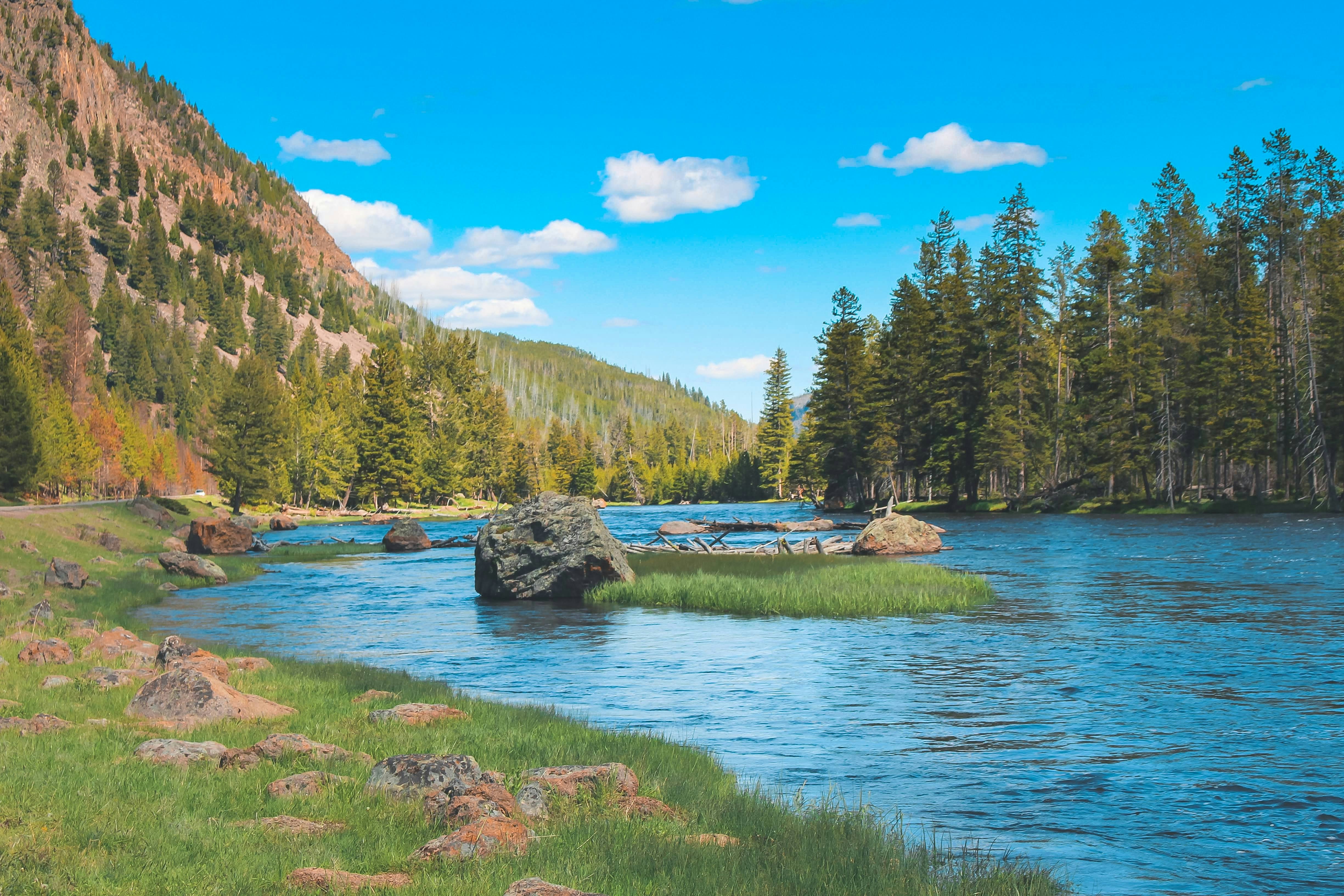
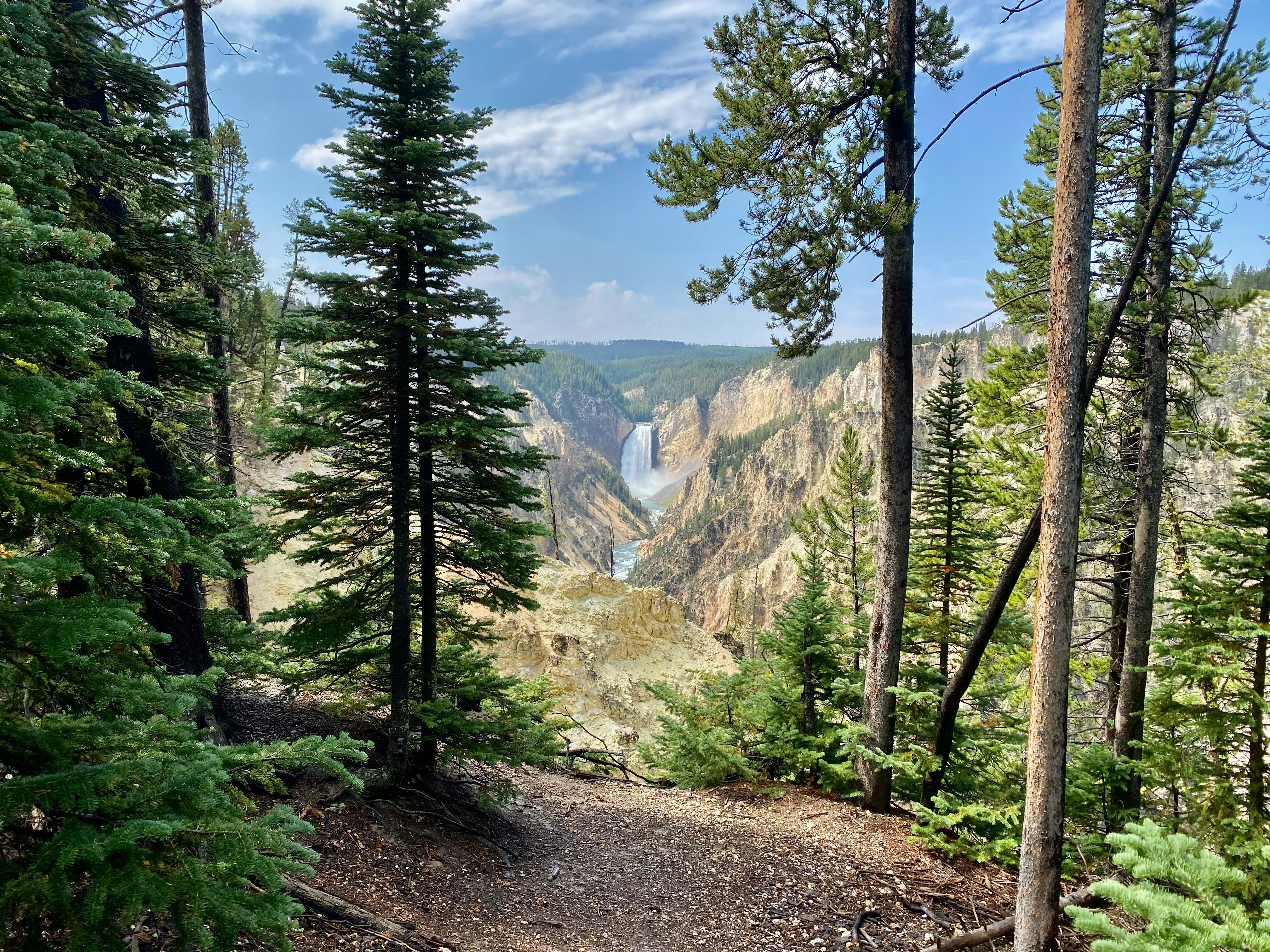
Hayden Valley, in the heart of the park along the Yellowstone River, is a vast open grassland that has its own resident wolf pack (the Wapiti Lake pack), enormous bison herds, grizzlies that come down to scavenge carcasses, and consistent waterfowl on the river. For guests staying in Island Park or West Yellowstone, Hayden Valley is the most efficient wildlife destination in the park — and a tour through Hayden naturally rolls in stops at the Grand Canyon of the Yellowstone, Mud Volcano, and the Yellowstone River.
The Madison and Firehole River Corridors
On the way in from the West Entrance, the Madison and Firehole river corridors are reliable elk country, especially during the September rut. Coyotes, trumpeter swans, and bald eagles work the rivers year-round. This is the warm-up section of any wildlife tour from West Yellowstone — and on a good morning, the warm-up is the highlight.
Northern Range
The stretch from Mammoth Hot Springs east through Tower-Roosevelt and into Lamar is collectively called the Northern Range. It's the lowest-elevation, snow-free wintering ground for the park's elk, bison, pronghorn, and bighorn sheep — which makes it the predator hot-spot for wolves and bears that follow them. Our winter wildlife tours focus here when conditions allow.
Where We Go — Lamar Valley, Hayden Valley, and the Northern Range
Yellowstone is 2.2 million acres. Knowing where to drive on a given morning is half the job. Our private wildlife tours move with the animals, but two valleys do most of the heavy lifting.
Lamar Valley Wildlife Tours — "America's Serengeti"
Lamar Valley, in Yellowstone's northeast corner, is the single best place on the continent to see wolves in the wild and one of the best places anywhere to see grizzly bears, bison herds, pronghorn, and bald eagles in a single morning. It is the reason serious wildlife travelers fly halfway around the world to visit Yellowstone. From our Island Park base, a full-day Lamar Valley tour is a long but extraordinary commitment — and we'll tell you honestly when it's worth the drive and when Hayden Valley will deliver the same caliber of sightings closer to home.
Hayden Valley Wildlife Tours
Hayden Valley, in the heart of the park along the Yellowstone River, is a vast open grassland that has its own resident wolf pack (the Wapiti Lake pack), enormous bison herds, grizzlies that come down to scavenge carcasses, and consistent waterfowl on the river. For guests staying in Island Park or West Yellowstone, Hayden Valley is the most efficient wildlife destination in the park — and a tour through Hayden naturally rolls in stops at the Grand Canyon of the Yellowstone, Mud Volcano, and the Yellowstone River.
The Madison and Firehole River Corridors
On the way in from the West Entrance, the Madison and Firehole river corridors are reliable elk country, especially during the September rut. Coyotes, trumpeter swans, and bald eagles work the rivers year-round. This is the warm-up section of any wildlife tour from West Yellowstone — and on a good morning, the warm-up is the highlight.
Northern Range
The stretch from Mammoth Hot Springs east through Tower-Roosevelt and into Lamar is collectively called the Northern Range. It's the lowest-elevation, snow-free wintering ground for the park's elk, bison, pronghorn, and bighorn sheep — which makes it the predator hot-spot for wolves and bears that follow them. Our winter wildlife tours focus here when conditions allow.
Where We Go — Lamar Valley, Hayden Valley, and the Northern Range
Yellowstone is 2.2 million acres. Knowing where to drive on a given morning is half the job. Our private wildlife tours move with the animals, but two valleys do most of the heavy lifting.
Lamar Valley Wildlife Tours — "America's Serengeti"
Lamar Valley, in Yellowstone's northeast corner, is the single best place on the continent to see wolves in the wild and one of the best places anywhere to see grizzly bears, bison herds, pronghorn, and bald eagles in a single morning. It is the reason serious wildlife travelers fly halfway around the world to visit Yellowstone. From our Island Park base, a full-day Lamar Valley tour is a long but extraordinary commitment — and we'll tell you honestly when it's worth the drive and when Hayden Valley will deliver the same caliber of sightings closer to home.
Hayden Valley Wildlife Tours
Hayden Valley, in the heart of the park along the Yellowstone River, is a vast open grassland that has its own resident wolf pack (the Wapiti Lake pack), enormous bison herds, grizzlies that come down to scavenge carcasses, and consistent waterfowl on the river. For guests staying in Island Park or West Yellowstone, Hayden Valley is the most efficient wildlife destination in the park — and a tour through Hayden naturally rolls in stops at the Grand Canyon of the Yellowstone, Mud Volcano, and the Yellowstone River.
The Madison and Firehole River Corridors
On the way in from the West Entrance, the Madison and Firehole river corridors are reliable elk country, especially during the September rut. Coyotes, trumpeter swans, and bald eagles work the rivers year-round. This is the warm-up section of any wildlife tour from West Yellowstone — and on a good morning, the warm-up is the highlight.
Northern Range
The stretch from Mammoth Hot Springs east through Tower-Roosevelt and into Lamar is collectively called the Northern Range. It's the lowest-elevation, snow-free wintering ground for the park's elk, bison, pronghorn, and bighorn sheep — which makes it the predator hot-spot for wolves and bears that follow them. Our winter wildlife tours focus here when conditions allow.
Who Our Private Tours Are For
Our private Yellowstone wildlife tours are built for:
Families who want the kids to actually see the animals — not just bison butts disappearing into the trees. Couples celebrating an anniversary or a bucket-list trip who don't want to share their day with 40 strangers. Wildlife photographers who need flexible timing, scope-mounted spotting, and a guide who understands light. Multi-generational groups where pace matters. International visitors with limited days in the park who need to see the most they can in the time they have. Repeat Yellowstone visitors who've already done the geysers and want a deeper, animal-focused experience this time.
If you've ever stood at a Yellowstone pullout wondering what the crowd with the long lenses was watching — and wishing someone could just tell you — this tour is built for you.
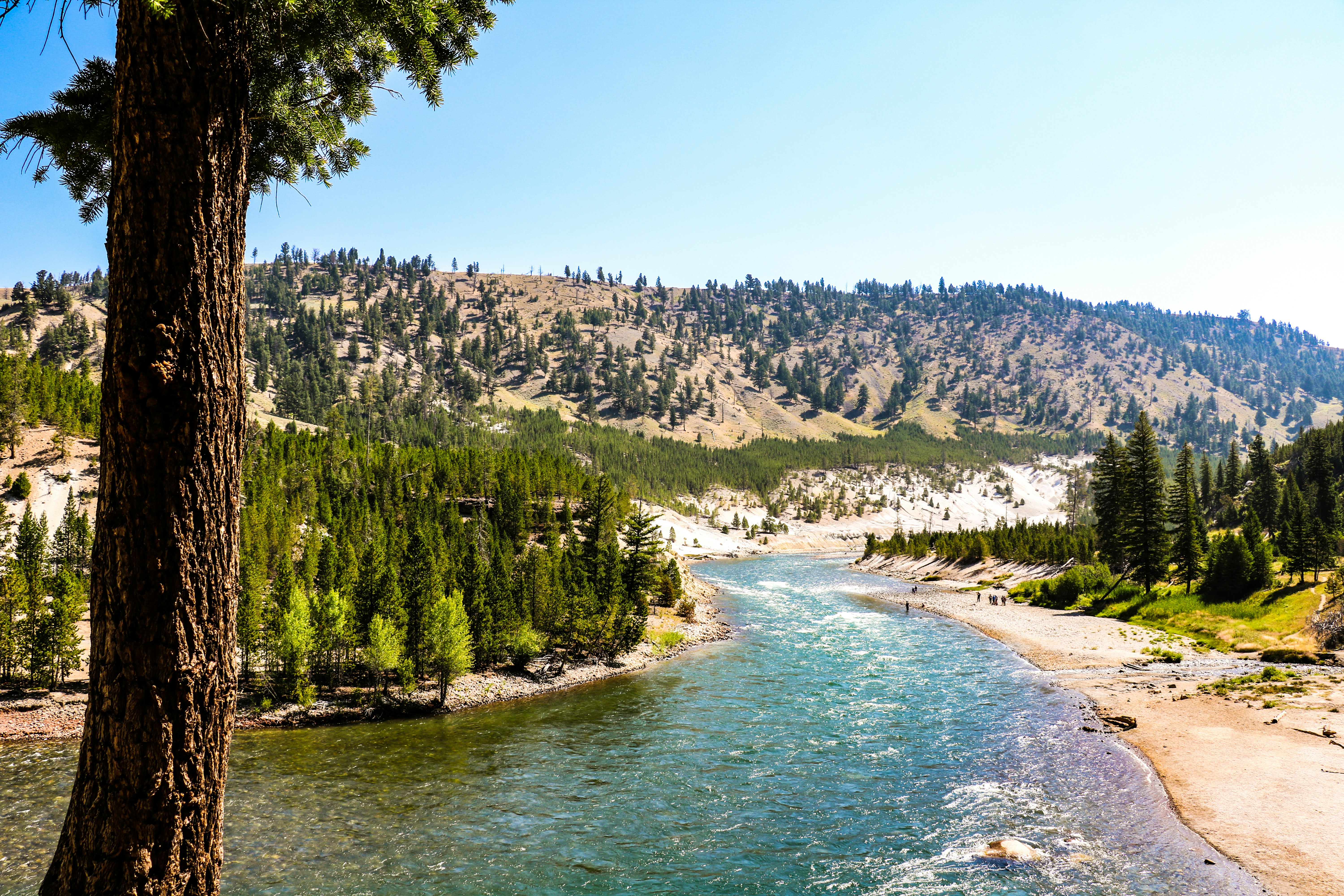
Who Our Private Tours Are For
Our private Yellowstone wildlife tours are built for:
Families who want the kids to actually see the animals — not just bison butts disappearing into the trees. Couples celebrating an anniversary or a bucket-list trip who don't want to share their day with 40 strangers. Wildlife photographers who need flexible timing, scope-mounted spotting, and a guide who understands light. Multi-generational groups where pace matters. International visitors with limited days in the park who need to see the most they can in the time they have. Repeat Yellowstone visitors who've already done the geysers and want a deeper, animal-focused experience this time.
If you've ever stood at a Yellowstone pullout wondering what the crowd with the long lenses was watching — and wishing someone could just tell you — this tour is built for you.
Who Our Private Tours Are For
Our private Yellowstone wildlife tours are built for:
Families who want the kids to actually see the animals — not just bison butts disappearing into the trees. Couples celebrating an anniversary or a bucket-list trip who don't want to share their day with 40 strangers. Wildlife photographers who need flexible timing, scope-mounted spotting, and a guide who understands light. Multi-generational groups where pace matters. International visitors with limited days in the park who need to see the most they can in the time they have. Repeat Yellowstone visitors who've already done the geysers and want a deeper, animal-focused experience this time.
If you've ever stood at a Yellowstone pullout wondering what the crowd with the long lenses was watching — and wishing someone could just tell you — this tour is built for you.
Your Guide and Our Local Roots
Island Park Expeditions is locally owned and operated, based in Island Park, Idaho — twenty minutes from Yellowstone's West Entrance. Our guides are local naturalists who spend their working lives in the Greater Yellowstone Ecosystem. We are a small company. We run a small number of tours. We do them well. Our return-guest rate is what we're proudest of. Custom tours are where our guides get to do their best work — and it shows.
Your Guide and Our Local Roots
Island Park Expeditions is locally owned and operated, based in Island Park, Idaho — twenty minutes from Yellowstone's West Entrance. Our guides are local naturalists who spend their working lives in the Greater Yellowstone Ecosystem. We are a small company. We run a small number of tours. We do them well. Our return-guest rate is what we're proudest of. Custom tours are where our guides get to do their best work — and it shows.
Your Guide and Our Local Roots
Island Park Expeditions is locally owned and operated, based in Island Park, Idaho — twenty minutes from Yellowstone's West Entrance. Our guides are local naturalists who spend their working lives in the Greater Yellowstone Ecosystem. We are a small company. We run a small number of tours. We do them well. Our return-guest rate is what we're proudest of. Custom tours are where our guides get to do their best work — and it shows.
What to Bring on Your Tour
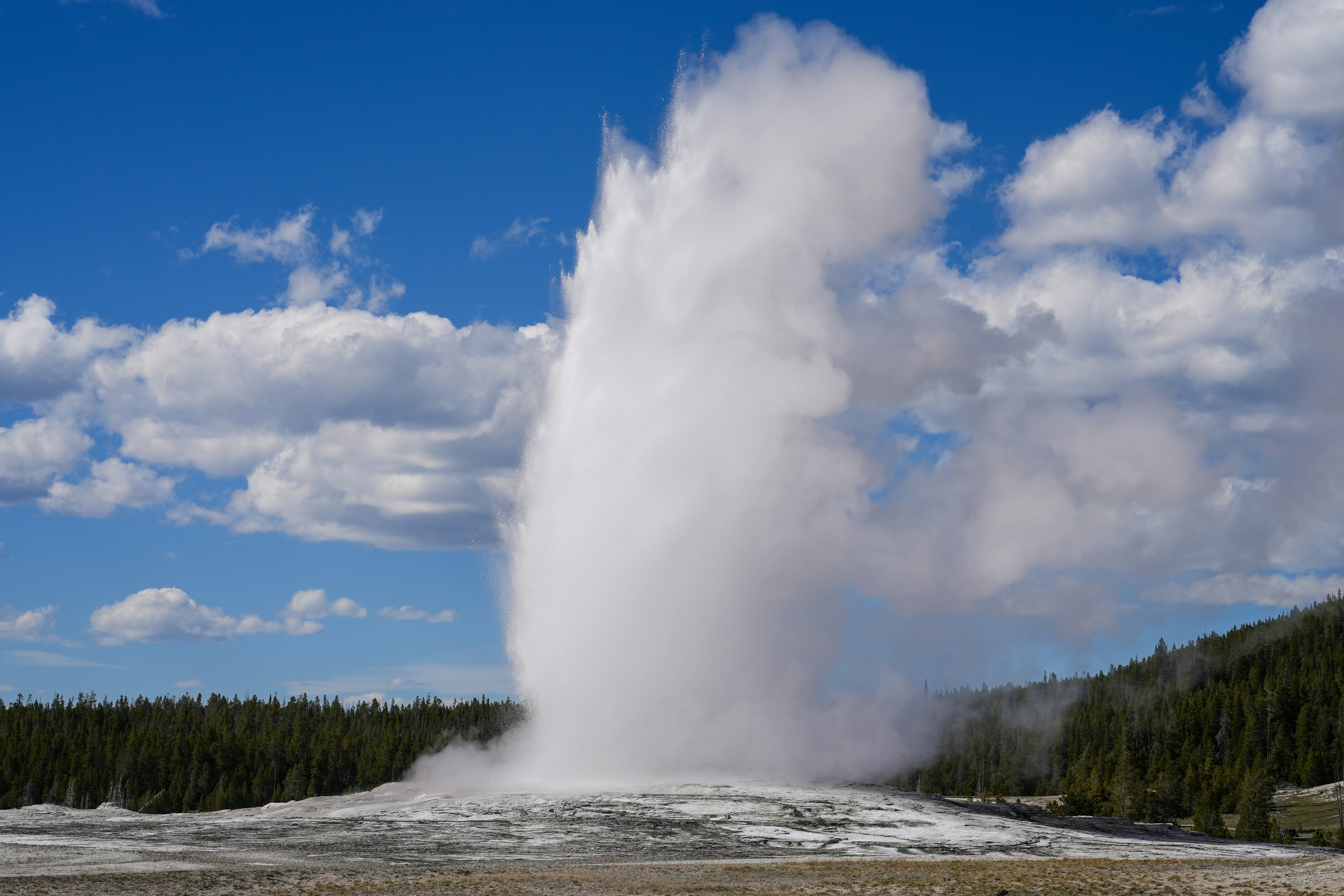
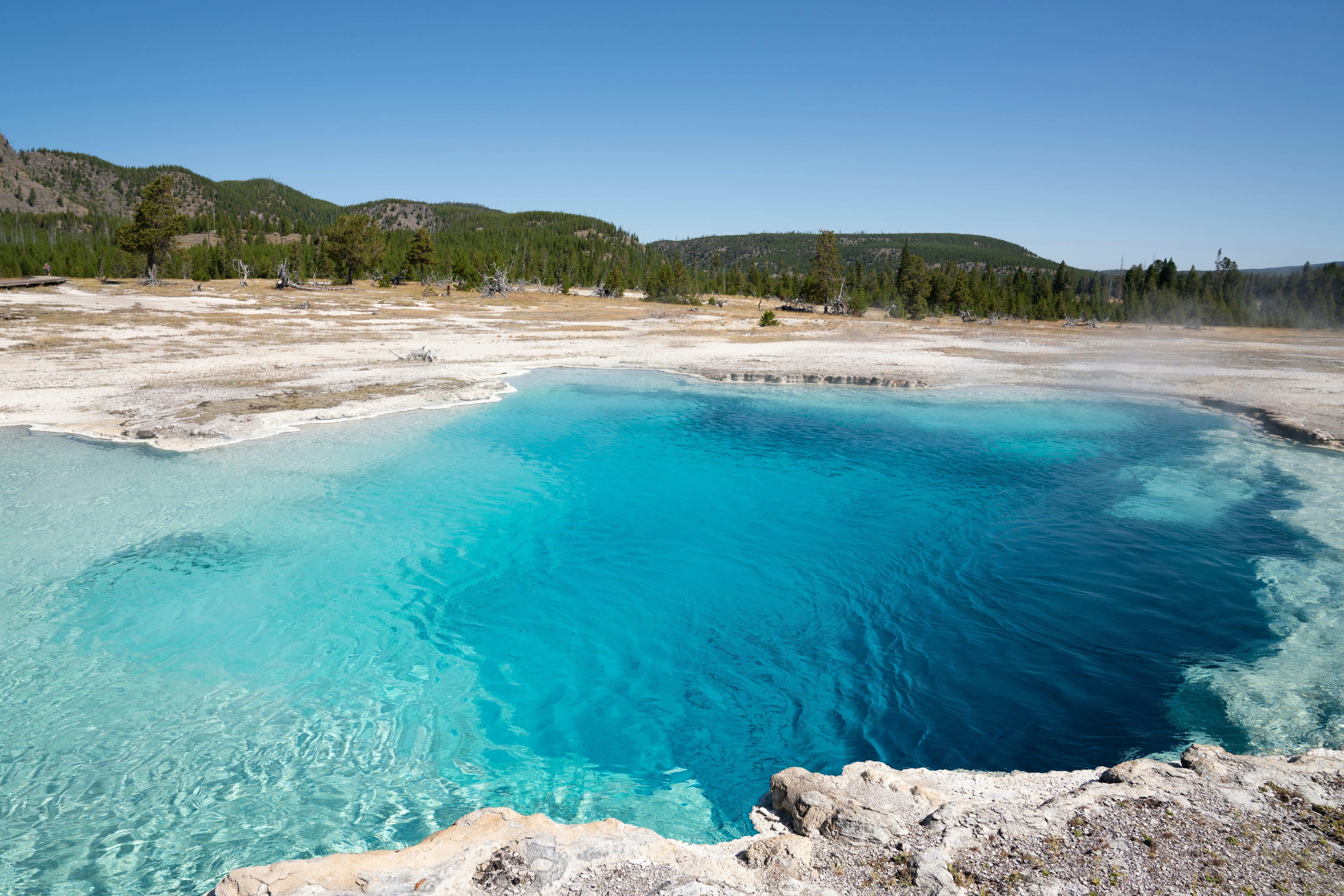
Pack layers — Yellowstone mornings can be 35°F in June and afternoons 80°F at lower elevations. Sturdy walking shoes for the geyser basin boardwalks and the Grand Canyon viewpoints. A water bottle (we'll refill it). Camera with whatever lens you own — the Lower Loop is the most photogenic day in the park. Sunscreen, hat, and sunglasses. A spirit of patience — Old Faithful erupts on its own schedule, and so does everything else here.
What to Bring on Your Tour
Pack layers — Yellowstone mornings can be 35°F in June and afternoons 80°F at lower elevations. Sturdy walking shoes for the geyser basin boardwalks and the Grand Canyon viewpoints. A water bottle (we'll refill it). Camera with whatever lens you own — the Lower Loop is the most photogenic day in the park. Sunscreen, hat, and sunglasses. A spirit of patience — Old Faithful erupts on its own schedule, and so does everything else here.
What to Bring on Your Tour
Pack layers — Yellowstone mornings can be 35°F in June and afternoons 80°F at lower elevations. Sturdy walking shoes for the geyser basin boardwalks and the Grand Canyon viewpoints. A water bottle (we'll refill it). Camera with whatever lens you own — the Lower Loop is the most photogenic day in the park. Sunscreen, hat, and sunglasses. A spirit of patience — Old Faithful erupts on its own schedule, and so does everything else here.
Frequently asked questions
How much does a private Yellowstone wildlife tour cost?
Our private Yellowstone wildlife tours start at $900 for the group, not per person. Pricing includes your guide, vehicle, scope, binoculars, lunch, snacks, water, and pickup from Island Park or West Yellowstone lodging. Park entrance fees are not included.
Where do private Yellowstone tours depart from?
We pick up from lodging in Island Park, Idaho and West Yellowstone, Montana. Island Park is roughly twenty minutes from the West Entrance and serves as our home base. We can also arrange pickups from nearby areas on request.
What's the best time of year to see wolves in Yellowstone?
Wolves are visible year-round, but the best statistical chances are early spring (April–May, when pups emerge at den sites) and winter (December–March, when they stand out against snow and are easier to track). Wolves are most active at dawn and dusk regardless of season — which is why our sunrise wildlife tours give you the best odds.
What's the best time of year to see bears in Yellowstone?
Spring (April–June) and fall (September–October) are the strongest bear-viewing windows. Spring bears are hungry, visible, and following carcasses across the Northern Range; fall bears are in hyperphagia, foraging aggressively before hibernation.
Will we actually see wildlife on the tour?
Yes — virtually every tour sees bison, elk, and a variety of birdlife. Wolves, grizzly bears, black bears, moose, and bighorn sheep are not guaranteed on any single day, but our guides know the patterns, the radio chatter, and the spots where odds are highest. Most full-day tours encounter at least one of the marquee predator species.
How close can we get to wildlife in Yellowstone?
Park regulations require staying at least 25 yards (23 m) from bison, elk, deer, bighorn sheep, and moose, and at least 100 yards (91 m) from bears and wolves. Our spotting scope makes a wolf at one mile feel like it's twenty feet away — so distance isn't a viewing problem, it's a safety feature.
How long is a private Yellowstone wildlife tour?
A standard full-day tour runs roughly 8–10 hours, including pickup and drop-off. Half-day tours and multi-day custom itineraries are also available. Sunrise wildlife tours typically start before dawn and run through midday.
Is this tour good for kids?
Yes. Because it's a private tour, the pace and the day are built around your family. Kids who'd be miserable on a bus tour do well on ours because they get to ask questions, stretch, and see the animals up close through the scope.
Can you build a custom private tour?
Absolutely. If you have a specific wildlife wish list — bears only, wolves only, photography-focused, multi-day — we'll build the itinerary around it. Custom tours are one of our most-requested options.
What other tours does Island Park Expeditions offer?
In addition to private wildlife tours, we offer the Lower Loop Yellowstone tour, fully custom Yellowstone itineraries, and UTV and snowmobile rentals in Island Park.
Frequently asked questions
How much does a private Yellowstone wildlife tour cost?
Our private Yellowstone wildlife tours start at $900 for the group, not per person. Pricing includes your guide, vehicle, scope, binoculars, lunch, snacks, water, and pickup from Island Park or West Yellowstone lodging. Park entrance fees are not included.
Where do private Yellowstone tours depart from?
We pick up from lodging in Island Park, Idaho and West Yellowstone, Montana. Island Park is roughly twenty minutes from the West Entrance and serves as our home base. We can also arrange pickups from nearby areas on request.
What's the best time of year to see wolves in Yellowstone?
Wolves are visible year-round, but the best statistical chances are early spring (April–May, when pups emerge at den sites) and winter (December–March, when they stand out against snow and are easier to track). Wolves are most active at dawn and dusk regardless of season — which is why our sunrise wildlife tours give you the best odds.
What's the best time of year to see bears in Yellowstone?
Spring (April–June) and fall (September–October) are the strongest bear-viewing windows. Spring bears are hungry, visible, and following carcasses across the Northern Range; fall bears are in hyperphagia, foraging aggressively before hibernation.
Will we actually see wildlife on the tour?
Yes — virtually every tour sees bison, elk, and a variety of birdlife. Wolves, grizzly bears, black bears, moose, and bighorn sheep are not guaranteed on any single day, but our guides know the patterns, the radio chatter, and the spots where odds are highest. Most full-day tours encounter at least one of the marquee predator species.
How close can we get to wildlife in Yellowstone?
Park regulations require staying at least 25 yards (23 m) from bison, elk, deer, bighorn sheep, and moose, and at least 100 yards (91 m) from bears and wolves. Our spotting scope makes a wolf at one mile feel like it's twenty feet away — so distance isn't a viewing problem, it's a safety feature.
How long is a private Yellowstone wildlife tour?
A standard full-day tour runs roughly 8–10 hours, including pickup and drop-off. Half-day tours and multi-day custom itineraries are also available. Sunrise wildlife tours typically start before dawn and run through midday.
Is this tour good for kids?
Yes. Because it's a private tour, the pace and the day are built around your family. Kids who'd be miserable on a bus tour do well on ours because they get to ask questions, stretch, and see the animals up close through the scope.
Can you build a custom private tour?
Absolutely. If you have a specific wildlife wish list — bears only, wolves only, photography-focused, multi-day — we'll build the itinerary around it. Custom tours are one of our most-requested options.
What other tours does Island Park Expeditions offer?
In addition to private wildlife tours, we offer the Lower Loop Yellowstone tour, fully custom Yellowstone itineraries, and UTV and snowmobile rentals in Island Park.
Frequently asked questions
How much does a private Yellowstone wildlife tour cost?
Our private Yellowstone wildlife tours start at $900 for the group, not per person. Pricing includes your guide, vehicle, scope, binoculars, lunch, snacks, water, and pickup from Island Park or West Yellowstone lodging. Park entrance fees are not included.
Where do private Yellowstone tours depart from?
We pick up from lodging in Island Park, Idaho and West Yellowstone, Montana. Island Park is roughly twenty minutes from the West Entrance and serves as our home base. We can also arrange pickups from nearby areas on request.
What's the best time of year to see wolves in Yellowstone?
Wolves are visible year-round, but the best statistical chances are early spring (April–May, when pups emerge at den sites) and winter (December–March, when they stand out against snow and are easier to track). Wolves are most active at dawn and dusk regardless of season — which is why our sunrise wildlife tours give you the best odds.
What's the best time of year to see bears in Yellowstone?
Spring (April–June) and fall (September–October) are the strongest bear-viewing windows. Spring bears are hungry, visible, and following carcasses across the Northern Range; fall bears are in hyperphagia, foraging aggressively before hibernation.
Will we actually see wildlife on the tour?
Yes — virtually every tour sees bison, elk, and a variety of birdlife. Wolves, grizzly bears, black bears, moose, and bighorn sheep are not guaranteed on any single day, but our guides know the patterns, the radio chatter, and the spots where odds are highest. Most full-day tours encounter at least one of the marquee predator species.
How close can we get to wildlife in Yellowstone?
Park regulations require staying at least 25 yards (23 m) from bison, elk, deer, bighorn sheep, and moose, and at least 100 yards (91 m) from bears and wolves. Our spotting scope makes a wolf at one mile feel like it's twenty feet away — so distance isn't a viewing problem, it's a safety feature.
How long is a private Yellowstone wildlife tour?
A standard full-day tour runs roughly 8–10 hours, including pickup and drop-off. Half-day tours and multi-day custom itineraries are also available. Sunrise wildlife tours typically start before dawn and run through midday.
Is this tour good for kids?
Yes. Because it's a private tour, the pace and the day are built around your family. Kids who'd be miserable on a bus tour do well on ours because they get to ask questions, stretch, and see the animals up close through the scope.
Can you build a custom private tour?
Absolutely. If you have a specific wildlife wish list — bears only, wolves only, photography-focused, multi-day — we'll build the itinerary around it. Custom tours are one of our most-requested options.
What other tours does Island Park Expeditions offer?
In addition to private wildlife tours, we offer the Lower Loop Yellowstone tour, fully custom Yellowstone itineraries, and UTV and snowmobile rentals in Island Park.
Book Your Private Yellowstone Wildlife Tour
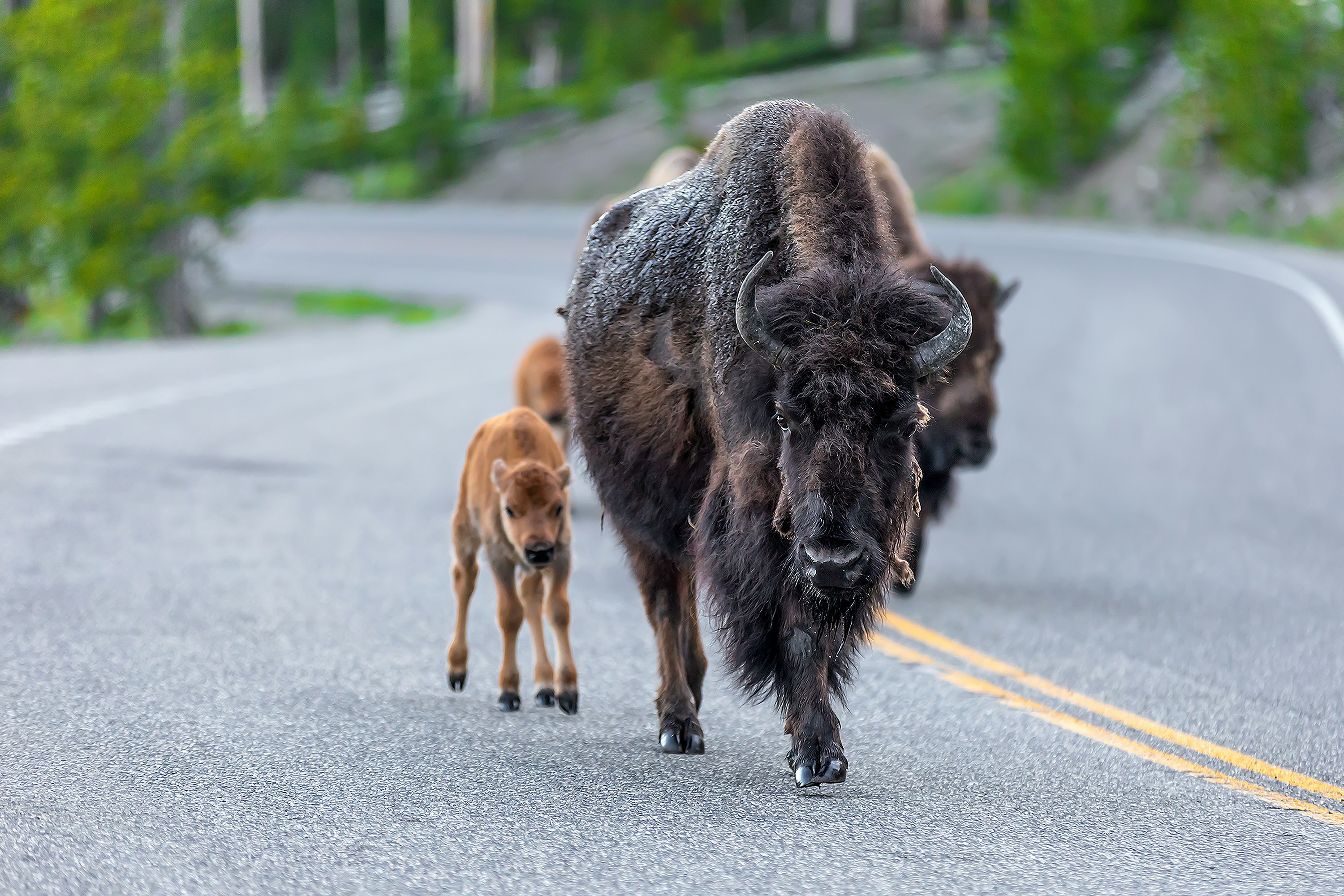
A private Yellowstone wildlife tour is the difference between visiting Yellowstone and experiencing it. If you'd like to see wolves at first light in Hayden Valley, watch a grizzly turn over rocks in a Northern Range meadow, or stand quietly while a bison herd crosses the road around you — book a private tour with the local guides who do this every day.
Questions before you book? Reach out — we'd rather talk through what you're hoping to see than have you book the wrong tour.
Book Your Private Yellowstone Wildlife Tour
A private Yellowstone wildlife tour is the difference between visiting Yellowstone and experiencing it. If you'd like to see wolves at first light in Hayden Valley, watch a grizzly turn over rocks in a Northern Range meadow, or stand quietly while a bison herd crosses the road around you — book a private tour with the local guides who do this every day.
Questions before you book? Reach out — we'd rather talk through what you're hoping to see than have you book the wrong tour.
Book Your Private Yellowstone Wildlife Tour
A private Yellowstone wildlife tour is the difference between visiting Yellowstone and experiencing it. If you'd like to see wolves at first light in Hayden Valley, watch a grizzly turn over rocks in a Northern Range meadow, or stand quietly while a bison herd crosses the road around you — book a private tour with the local guides who do this every day.
Questions before you book? Reach out — we'd rather talk through what you're hoping to see than have you book the wrong tour.